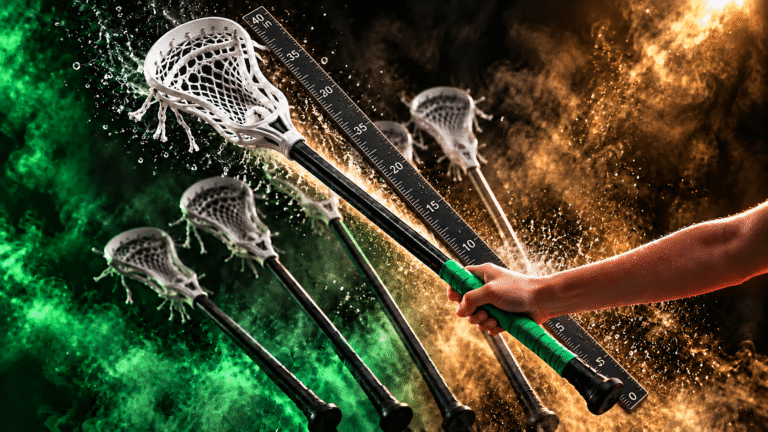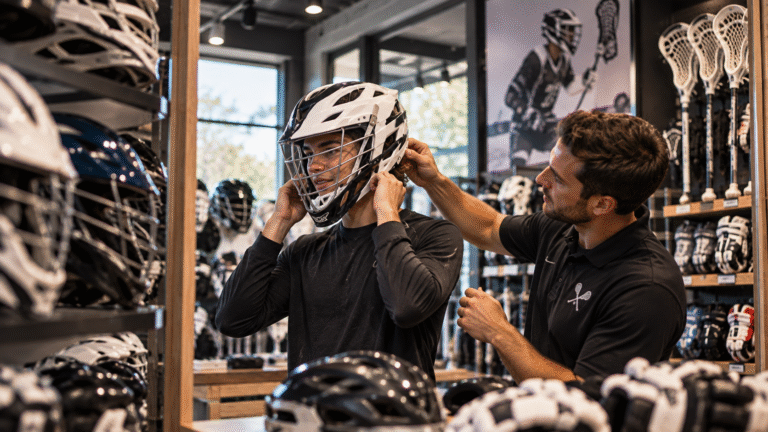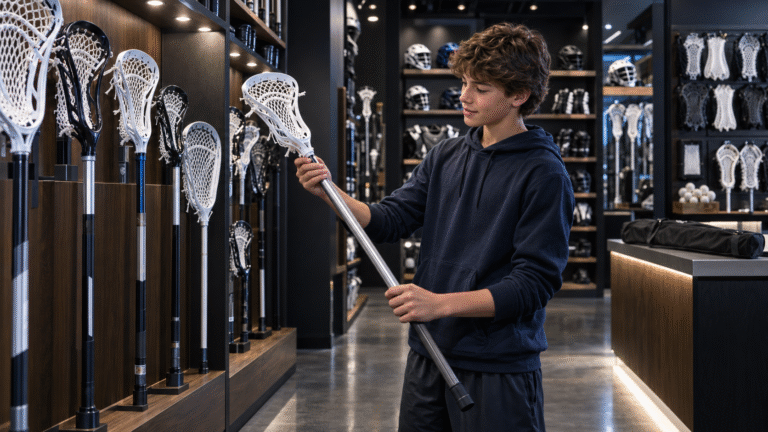
Choosing the best Lacrosse head for your position can significantly improve your performance on the field.
Attack players need precision and ball control, midfielders benefit from versatility, defenders require durability and checking power, while goalies and faceoff specialists have unique demands.
The best Lacrosse head isn’t necessarily the most expensive—it’s the one that matches your position, skill level, and style of play.
Whether you’re playing youth Lacrosse, high school competition, or club tournaments, understanding head shape, pocket design, and position-specific features will help you make a smarter purchase and elevate your game.
Understanding How to Choose a Lacrosse Head
Before selecting a specific model, it’s important to understand how to choose a Lacrosse head based on your role and playing style.
How Position Impacts Head Selection
Every position places different demands on a Lacrosse head:
- Attack players prioritize ball retention and shooting accuracy
- Midfielders need balance between offense and defense
- Defenders require strength and checking capability
- Goalies need maximum surface area for saves
- Faceoff specialists need flexibility and durability
When considering how to choose the right Lacrosse head, start by evaluating the skills you use most frequently during games.
Lacrosse Head Shape and Pocket Guide
A player’s success often comes down to understanding the relationship between head shape and pocket placement.
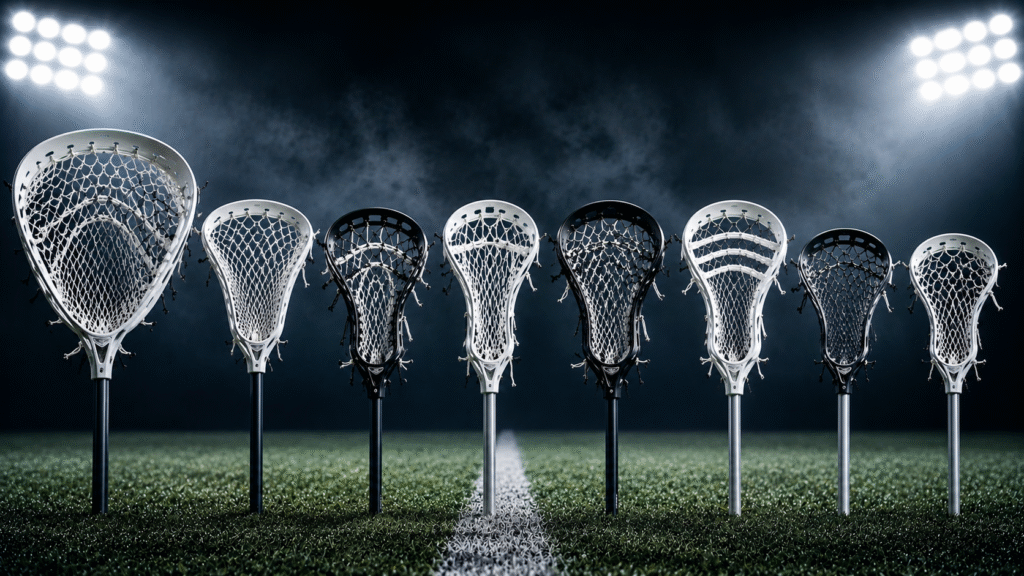
| Head Type | Typical Shape | Primary Benefit | Best Position |
|---|---|---|---|
| Narrow | Tight channel | Enhanced accuracy | Attack |
| Mid-width | Balanced design | Versatility | Midfield |
| Wide | Larger catching area | Ground balls and checks | Defense |
| Oversized | Maximum surface area | Shot stopping | Goalie |
| Flexible | Specialized sidewalls | Faceoff control | Faceoff |
What Is the Best Lacrosse Head for Beginners?
Generally, beginners benefit from:
- Mid-width heads
- Forgiving pocket designs
- Durable construction
- Versatility across positions
These features allow developing players to build fundamentals before moving into highly specialized equipment.
Best Lacrosse Head for Attack Players
Attackmen rely on precision, quick releases, and superior ball control.
Best Lacrosse Head for Attack
The best Lacrosse head for attack typically features:
- Narrow face shape
- Aggressive offset
- Excellent ball retention
- Enhanced shooting accuracy
These characteristics help players maintain possession while creating scoring opportunities around the crease.
Are Narrow or Wide Lacrosse Heads Better for Attack Players?
In most situations, narrow heads offer significant advantages because they:
- Create tighter channels
- Improve shooting consistency
- Enhance passing accuracy
- Increase ball control during dodges
However, younger players may prefer slightly wider options until stick skills improve.
Best Offensive Lacrosse Heads for Quick Shooting
Players focused on scoring should look for:
- Fast-release pocket setups
- Lightweight construction
- Defined shooting channels
The best offensive Lacrosse heads for quick shooting help attackers get shots off rapidly, particularly in high-pressure situations often seen in competitive leagues, where Lacrosse talent runs deep.
Best Lacrosse Head for Midfield and Faceoff Specialists
Midfielders and faceoff athletes require unique combinations of versatility, speed, and durability.
Best Lacrosse Head for Midfield
The best Lacrosse head for midfield balances offensive and defensive responsibilities.
Ideal features include:
- Moderate width
- Durable sidewalls
- Reliable ground-ball performance
- Versatile pocket placement
Midfielders often transition rapidly between offense and defense, making all-around performance critical.
Best Lightweight Lacrosse Heads for Midfielders
Speed matters.
The best lightweight Lacrosse heads for midfielders reduce fatigue and improve transition play. Players competing in fast-paced tournaments often favor lighter setups that support endurance throughout multiple games.
Best Faceoff Lacrosse Heads
Faceoff specialists have highly specialized equipment needs.
The best faceoff Lacrosse heads generally feature:
- Flexible sidewalls
- Reinforced throat design
- Quick clamp capability
- Excellent durability
Best Faceoff Heads for Winning More Draws
The best faceoff heads for winning more draws allow players to:
- Gain leverage quickly
- Maintain control during scrums
- Transition efficiently into offense
Success at the X often depends as much on technique as equipment, but choosing the right head provides a measurable advantage.
Best Lacrosse Head for Defense
Defenders need equipment designed for physical play and possession disruption.
Best Lacrosse Head for Defense
The best Lacrosse head for defense typically features:
- Wider face shape
- Strong sidewall construction
- Excellent ground-ball performance
- Superior checking capability
These attributes help defenders control loose balls and apply pressure effectively.
Which Lacrosse Head Is Best for Defensive Checks?
Look for heads with:
- Stiff construction
- Reinforced sidewalls
- Durable materials
- Wider profiles
These features improve poke checks, lift checks, and controlled contact without sacrificing ball control.
Best Lacrosse Goalie Head and Buying Factors
Goalies face unique challenges that require specialized equipment.
Best Lacrosse Goalie Head
The best Lacrosse goalie head offers maximum save potential while maintaining control during outlet passes.
Goalie-specific heads feature:
- Expanded surface area
- Stiff construction
- Enhanced rebound control
- Consistent pocket performance
What Features Should a Goalie Lacrosse Head Have?
Key considerations include:
- Wide face shape
- Durable sidewalls
- Stable pocket configuration
- Lightweight yet strong materials
These elements help goalies perform consistently throughout long games and tournament weekends.
How Often Should You Replace a Lacrosse Head?
Equipment lifespan varies based on use and climate.
Typical replacement indicators include:
- Cracks or structural damage
- Warping
- Excessive flexibility
- Declining performance
Competitive players often replace heads every one to two seasons, while recreational athletes may use them longer.
FAQ: Best Lacrosse Head for Every Position
What is the best Lacrosse head for beginners?
A versatile mid-width head with a forgiving pocket is generally best for beginners because it supports skill development across multiple positions.
How do I choose the right Lacrosse head for my position?
Evaluate your primary responsibilities. Attack players prioritize accuracy, midfielders need versatility, defenders require durability, goalies need coverage, and faceoff specialists benefit from flexibility.
Are narrow or wide Lacrosse heads better for attack players?
Most attack players prefer narrow heads because they enhance ball control, passing precision, and shooting accuracy.
What features should a goalie Lacrosse head have?
Goalie heads should provide a wide catching area, durable construction, stable pocket performance, and strong rebound control.
How often should I replace a Lacrosse head?
Replace a head when it becomes damaged, warped, excessively flexible, or begins negatively affecting performance.
Takeaway: Choosing the Right Lacrosse Head for Maximum Performance
The best Lacrosse head depends on matching equipment characteristics to your role on the field.
Attack players benefit from narrow, accurate heads, midfielders need versatility, defenders require durability, goalies depend on maximum coverage, and faceoff specialists need flexibility and control.
Understanding how to choose a Lacrosse head, evaluating head shape and pocket design, and selecting position-specific features will help you perform at your highest level.
Whether you’re competing in the USA at the youth, high school, collegiate, or club level, the right head can become a true competitive advantage.
Make an informed choice, trust your training, and step onto the field ready to play your best Lacrosse yet!
Ready to unlock your full potential ?