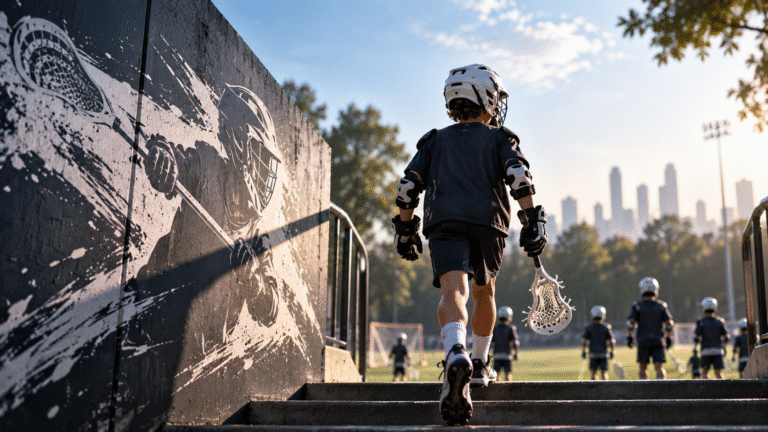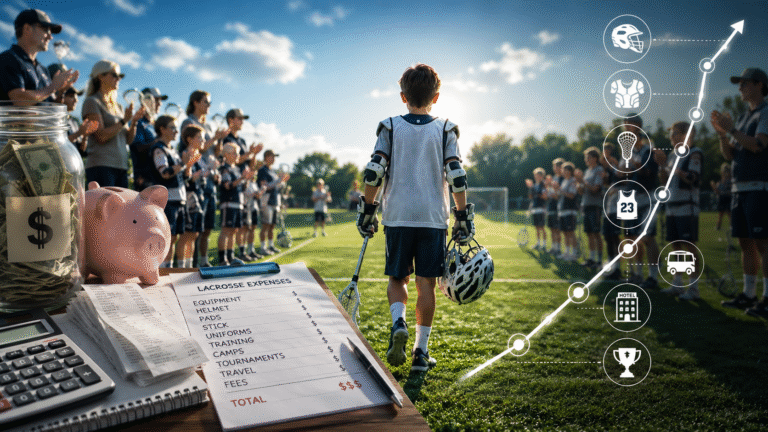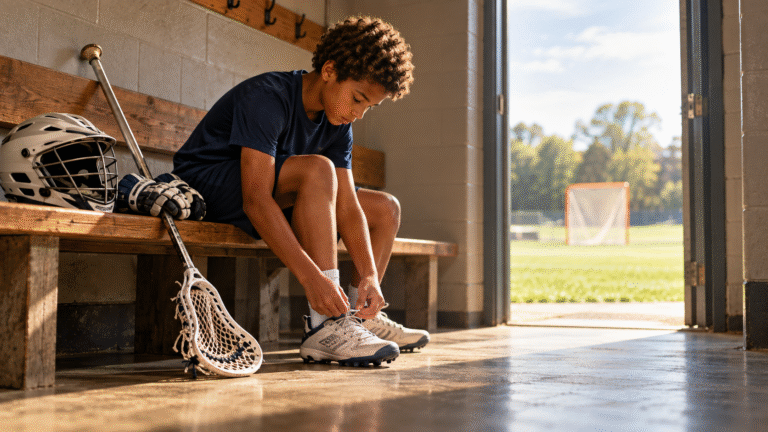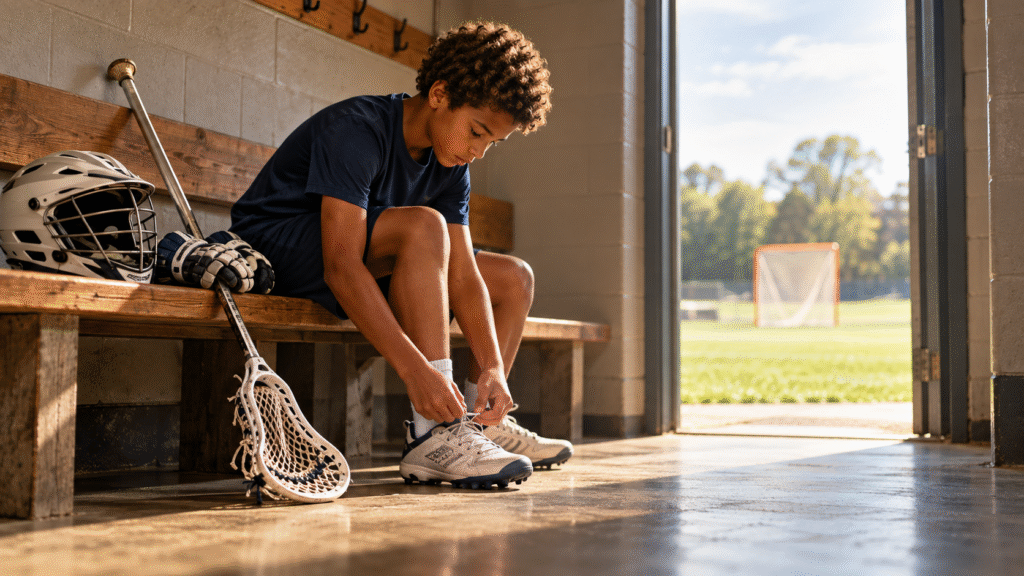
Your child is ready to try Lacrosse when they show interest, can participate in simple group activities, and respond to basic safety instructions with age-appropriate support.
They do not need polished stick skills, previous sports experience, or exceptional fitness. The key is finding a program that matches their development, confidence, and comfort with the game’s format.
A curious beginner may thrive in a playful introductory clinic while needing more time before joining a competitive team.
This youth Lacrosse guide helps you recognize readiness, understand what beginners actually need, and choose a first experience that builds confidence without unnecessary pressure.
Is My Child Ready for Lacrosse? Start With Interest
Readiness begins with willingness. Your child does not need to beg for a stick, but they should have some say in trying the sport.
How can I tell if my child wants to play Lacrosse?
Look for interest that extends beyond pleasing you. Your child might:
- Ask how the stick works
- Want to scoop or throw a ball
- Notice other children playing
- Agree to attend a beginner session
- Ask to try again after an initial experience
A child who wants to join a friend can still develop a lasting interest. Social motivation is a reasonable starting point.
Ask, “Would you like to try a session?” instead of “You want to play this season, right?” The first question leaves room for an honest answer.
Getting kids interested in Lacrosse without pressure
Try a few playful youth Lacrosse drills with a soft ball in the backyard, watch part of a local game, or let your child explore a borrowed stick under supervision.
Keep the invitation simple: “Let’s see what scooping feels like.” Avoid turning the activity into a lesson with constant corrections.
Curiosity matters more than local Lacrosse tradition. Give your child permission to enjoy it, dislike it, or remain undecided.
Physical Skills Needed for Youth Lacrosse: What Matters First
Beginner readiness is about participating in movement activities, with appropriate adaptations when needed. It is not about arriving with game-ready skills.
USA Lacrosse’s Athlete Development Model emphasizes physical literacy, age-appropriate skill development, and activities matched to a player’s developmental stage.
Look for movement foundations, not athletic perfection
Observe your child during ordinary play. Can they move around others, change direction, and attempt a new movement? Can they carry a stick without swinging it unpredictably near someone?
These observations help you discuss placement with a coach. They are not a formal screening test.
| Area to observe | Encouraging sign | Helpful beginner support |
|---|---|---|
| Movement | Tries running, stopping, or changing direction | Short movement games |
| Coordination | Attempts to scoop or guide a ball | Demonstrations and repeated attempts |
| Spatial awareness | Notices nearby children with reminders | Clear boundaries and smaller groups |
| Effort | Participates, then takes a break | Flexible activity and rest periods |
| Stick control | Responds to reminders about safe handling | Close supervision and simple cues |
A child with a disability or movement difference may need an adapted approach. Ask what the program can accommodate rather than assuming they must meet every example above.
Does my child need to know how to catch before starting Lacrosse?
No. Beginners learn to catch with a stick through instruction and practice, and parents can support their child’s Lacrosse progress without expecting reliable catches from the start. Dropped passes are expected.
An introductory program should teach handling, scooping, throwing, and catching progressively. A requirement to catch reliably before enrollment may indicate that the group is intended for experienced players.
How much running should a child be comfortable with before joining Lacrosse?
There is no universal mileage or continuous-running requirement for beginners. Look for willingness to join short active games, with breaks, rather than testing endurance.
Ask the coach how much movement the actual session involves. A playful introductory class and a competitive team practice can place very different demands on a child.
Attention Span for Youth Sports and Emotional Readiness
A beginner does not need to listen like a teenager. The useful question is whether they can participate with the support available.
Signs your child is ready for team sports
Encouraging signs include the ability to:
- Respond to a clear stop signal
- Attempt a simple instruction after a demonstration
- Take turns with reminders
- Tell an adult when something hurts or feels overwhelming
- Return to an activity after a manageable disappointment
These skills can still be developing. Occasional distraction, frustration, or hesitation does not automatically mean a child should wait.
Pay particular attention to safety directions. A child who repeatedly cannot stop unsafe stick swinging may need closer supervision or a different introductory setting before joining that group.
What if my child struggles to follow a coach’s instructions?
First, examine how the instructions are delivered. Long explanations, background noise, and complicated drills can make participation harder.
Ask whether the coach uses:
- One direction at a time
- Visual demonstrations
- Small activity groups
- Consistent cues and predictable routines
Describe what helps your child at school or in other activities. The conversation should focus on practical support, not labeling your child as “unready.”
Is Lacrosse a good fit for a shy child?
It can be, particularly when the environment allows gradual participation. Arriving early, meeting the coach privately, or attending with a familiar friend may make the first session easier.
Quietness is different from unwillingness. When deciding whether Lacrosse suits your child, watch whether they become more comfortable after joining an activity rather than judging readiness by how confidently they greet the team.
Choosing a Beginner Lacrosse Program That Fits Your Child
Readiness depends partly on the setting. A child may be ready for an introductory clinic while finding a travel-team practice overwhelming.
Match the format to the beginner
Look for programs that explicitly welcome children learning the sport. Favor clear instruction, frequent participation, manageable groups, and an emphasis on enjoyment.
USA Lacrosse describes Flex6 as a simplified, non-contact option for beginners and younger players. Its youth guidance also emphasizes modified, age-appropriate play. Ask which format your local program actually uses.
A recreation program in Chicago and a club in New York may both advertise “youth Lacrosse” while offering different experiences. Compare the session structure rather than relying on the label.
How do I know if my child is ready for contact Lacrosse?
Interest in Lacrosse does not automatically establish readiness for a format allowing contact.
Discuss the following with the coach:
- Which body contact and stick checks are permitted?
- How are beginners taught those rules?
- How are players grouped and supervised?
- Can your child follow safety directions during active play?
- Is your child comfortable with the permitted contact?
Size, toughness, and enthusiasm alone are insufficient. Readiness also involves judgment, an understanding of basic Lacrosse rules, appropriate coaching, and familiarity with the rules for your child’s age group. Never test it by encouraging collisions at home.
What questions should parents ask a youth Lacrosse coach before registration?
Ask how the coach handles first-time players, frustration, differing abilities, and children who need extra explanations.
Also ask about coach training, safeguarding practices, emergency procedures, and injury response. Concrete answers reveal more than promises that the program is “great for everyone.”
Try a Session and Use a Youth Lacrosse Registration Checklist
A trial experience can show how your child responds to the actual environment before your family commits.
Can my child try Lacrosse before we pay for a full season?
Ask about introductory clinics, open houses, trial practices, or short beginner courses. Availability varies, so confirm the cost, required equipment, and participation conditions beforehand.
Afterward, ask:
- “What was fun?”
- “Was anything confusing or uncomfortable?”
- “Would you like to go back?”
Look at the pattern across experiences when possible. One difficult arrival or one exciting drill may not represent the whole program.
Beginner Lacrosse equipment for kids
Confirm the requirements for the exact format before purchasing equipment.
USA Lacrosse lists a stick, mouthguard, and protective eyewear for girls’ field players. Its boys’ field equipment list includes a stick, helmet, gloves, shoulder pads, arm pads, mouthguard, and protective cup. Goalkeepers have additional requirements.
Ask about loaners and have the program check fit and compliance. An expensive stick cannot compensate for an unsuitable playing environment.
Your registration checklist
Before enrolling, confirm:
- Child’s willingness: They agree to participate
- Placement: The group accepts their age and experience level
- Format: You understand the contact rules
- Equipment: Required items fit and meet applicable standards
- Support: The coach knows about relevant accommodations
- Schedule: Practices fit around school, rest, and family commitments
- Costs: Fees, membership, equipment, and refund terms are clear
FAQ: How to Tell If Your Child Is Ready for Lacrosse
Can a child start Lacrosse without previous sports experience?
Yes. Choose a program designed for first-time players. Previous sports can provide useful movement experience, but beginners can develop those foundations while learning Lacrosse.
Should I wait to enroll my child in Lacrosse if they are nervous?
Nervousness alone is not a reason to wait. Offer a low-pressure trial and practical support. If your child consistently refuses or remains distressed, pause and explore what is causing the discomfort.
What age should a child start Lacrosse?
The appropriate starting point depends on the program’s eligibility rules and your child’s development. Ask about introductory options rather than assuming readiness begins at one universal age.
What if my child enjoys Lacrosse practice but dislikes games?
Ask about a skills clinic or recreational option with less competition. Enjoying instruction is valuable even if your child is not yet comfortable with organized games.
How can I tell whether the Lacrosse program is too advanced?
Watch for drills that assume existing skills, limited beginner instruction, or an intensity your child cannot comfortably manage. Discuss placement with the coach before deciding that Lacrosse itself is a poor fit.
Takeaway: Help Your Child Start Lacrosse With Confidence
Your child does not need perfect coordination, reliable catching, or a competitive personality to begin Lacrosse.
Look for willingness to try, developing group-participation skills, and the ability to respond to safety directions with appropriate support. Then match those qualities to a welcoming program, properly fitted Lacrosse equipment, and a manageable schedule. A trial session can reveal whether the environment helps your child feel involved and eager to return. If the fit is wrong, adjust the setting or timing.
The goal is a positive beginning that makes learning enjoyable. Find their starting point, celebrate the effort, and let them build their game!
Ready to unlock your full potential ?