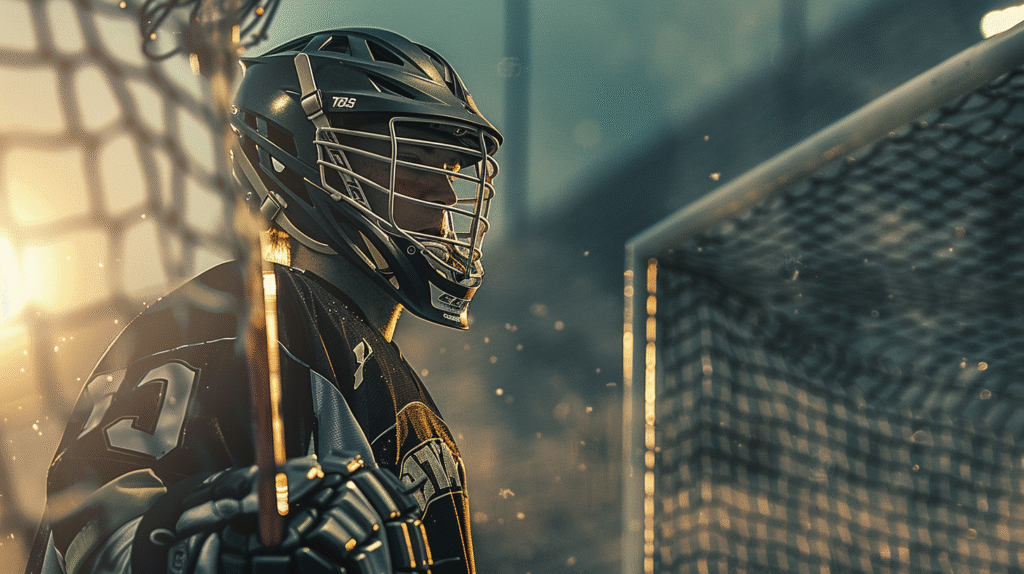
A proper Lacrosse goalie gear setup is a key part of choosing the right equipment from the start, making it essential for safety, performance, and confidence on the field.
Goaltending in Lacrosse demands agility, quick reflexes, and protection from high-velocity shots. A thoughtfully organized gear setup ensures you stay safe, move freely, and react effectively during games.
Whether you’re a high school goalie aiming for college recruitment or a club player looking to improve your saves, this guide walks you through every piece of gear, how to fit it, and how to optimize your Lacrosse goalie gear setup for peak performance.
Why a Proper Lacrosse Goalie Gear Setup Matters
A goalie’s equipment does more than protect, it enhances mobility, reaction speed, and confidence. Without the right protective gear, even the most skilled player may face an increased risk of injury and decreased performance.
Physical Benefits
- Full protection from high-speed shots
- Enhanced mobility with lightweight, ergonomic gear
- Reduced fatigue from properly balanced equipment
Performance Benefits
- Improved reaction time with clear sightlines
- Better stick handling and ball control
- Confidence to face fast breaks and aggressive shooters
Mental and Safety Benefits
- Increased focus on reading the game, not worrying about injury
- Less anxiety during high-pressure situations
- Minimized risk of long-term injuries
By following a structured gear setup, goalies can maximize safety and performance while minimizing equipment-related distractions.
Step 1: Choosing the Right Lacrosse Goalie Helmet
Your helmet is the cornerstone of your Lacrosse goalie gear setup. It protects against high-velocity shots while allowing visibility and ventilation.
Key Features to Look For:
- Certified safety standards (NOCSAE approved)
- Adjustable cage for proper fit
- Ventilation to prevent overheating
- Lightweight materials for agile movement
Fit Tips:
- Helmet should sit snugly on the head without wobbling.
- Chin strap must secure jaw firmly without discomfort.
- Eye alignment: you should see the entire field clearly, no blind spots.
💡Pro Tip: Always pair your helmet with a properly fitted throat guard to reduce neck injuries.
Step 2: Lacrosse Goalie Gear Setup – Chest Protector Essentials

A chest protector shields your upper body from fast shots while maintaining mobility. Selecting the right size and type is critical for game-day performance.
Types of Chest Protectors:
- Traditional: Maximum padding, heavier, best for beginners
- Lightweight/Hybrid: Balanced protection and mobility, ideal for high school and club players
- Custom: Tailored fit for collegiate or elite goalies
Fitting Guidelines:
- Should cover collarbone, ribs, and sternum fully
- Arm mobility must be unrestricted for stick movement
- Adjustable straps help secure the protector firmly
Step 3: Goalie Gloves and Hand Protection
Hands are the first line of defense. Well-fitted gloves protect your fingers and palms while giving tactile control over the stick.
Key Features:
- Padded backhand and fingers
- Breathable palm material for grip
- Adjustable wrist straps for stability
Fit Checklist:
- Fingers should reach glove tips comfortably
- Wrist movement must not be restricted
- Test grip on ball and stick during warm-up
Step 4: Lacrosse Goalie Gear Setup – Lower Body Protection & Pants
Lower body gear shields thighs, hips, and groin while allowing mobility for butterfly saves and quick lateral movements.
Gear Components:
- Thigh Pads: Light, flexible, cover entire thigh
- Goalie Pants: Padded but breathable for agility
- Cup/Groin Protection: Mandatory, ensure proper fit for comfort and safety
| Gear Type | Key Feature | Recommended Fit Tip |
|---|---|---|
| Thigh Pads | Lightweight, flexible | Cover from hip to knee |
| Goalie Pants | Full coverage | Snug at waist, free leg movement |
| Groin Cup | Rigid or flexible shell | Secure but not restrictive |
💡Transition Tip: Always layer your gear for comfort and optimal protection; a loose fit can compromise safety.
Step 5: Goalie Stick Selection and Setup
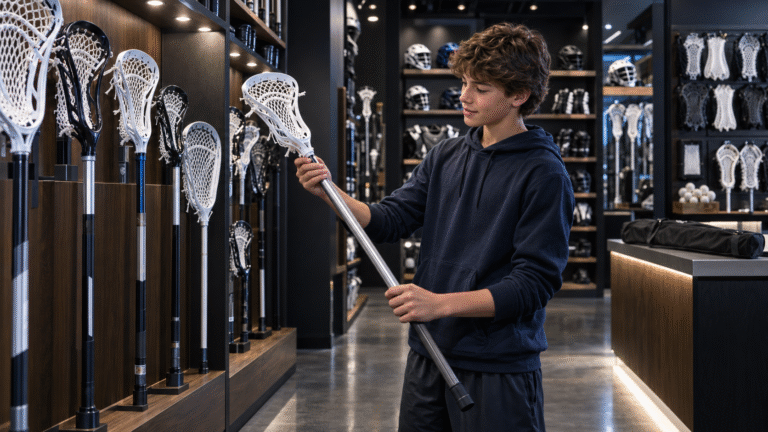
Your lacrosse stick is an extension of you on the field, and choosing the right one for your skill level can significantly boost your confidence and performance in the crease. The right goalie stick enhances saves, clears, and passes.
Stick Features:
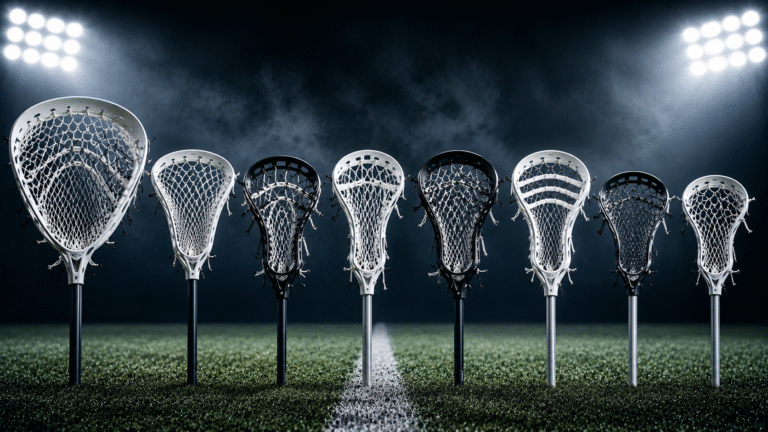
- Head width: Larger head for beginners, tighter for advanced precision
- Shaft length: Standard 40–72 inches depending on height and preference
- Weight balance: Lighter sticks allow faster reactions
Handling Tips:
- Practice catching with both gloves to ensure natural grip
- Adjust mesh tension for ball control
- Regularly check screws and head alignment
Step 6: Accessories for a Complete Lacrosse Goalie Equipment

Beyond major gear, accessories improve comfort, safety, and performance.
Must-Have Additions:
- Mouthguard: Essential for teeth and jaw protection
- Ankle supports: Prevent sprains during quick lateral movements
- Compression sleeves: Reduce fatigue and improve circulation
- Socks and footwear: Proper cleats that provide the grip and stability needed for the quick lateral movements and balance emphasized in Lacrosse agility training.
Optional Enhancements:
- Padded arm guards for aggressive shooters
- Neck guards for younger goalies
- Sweatbands for comfort and focus
How to Maintain and Optimize Your Lacrosse Goalie Gear
Proper maintenance extends the life of your equipment and ensures consistent performance.
Cleaning & Care Tips:
- Wipe down helmet and pads after every practice
- Air dry gear to prevent mold and odor
- Inspect straps, snaps, and seams for wear
- Replace damaged or worn-out items immediately
Performance Optimization:
- Rotate chest protectors and gloves to prevent compression fatigue
- Adjust stick mesh for seasonal conditions
- Re-assess fit every 6–12 months as body size changes
Common Mistakes to Avoid in Your Lacrosse Goalie Gear Setup
Even experienced goalies can make mistakes that compromise safety or performance.
- Using ill-fitting helmets or chest protectors
- Overlooking finger and wrist protection
- Skipping maintenance and inspections
- Layering gear incorrectly, restricting movement
💡Pro Tip: Regularly test gear in practice before games to identify mobility or fit issues.
FAQ: Lacrosse Goalie Gear Setup
How often should I replace goalie gear?
Helmets every 3–5 years, gloves every 1–2 seasons, and pads when compression or damage appears.
Can youth goalies use adult gear?
Never. Always use age-appropriate gear for protection and mobility.
How do I know if my chest protector is too tight?
If you feel restricted in arm movement or breathing, adjust straps or consider a larger size.
Should stick type vary by level?
Yes. Beginners benefit from larger heads, while advanced goalies prefer precision sticks for quick passes.
How do I break in new goalie gear?
Wear it in light practice first so it molds to your body and stays comfortable.
Takeaway: Perfect Your Lacrosse Goalie Equipment
A well-planned Lacrosse goalie gear setup balances protection, mobility, and performance. Helmets, chest protectors, gloves, pants, and sticks work together to keep you safe while allowing quick reactions, whether you’re playing under the lights in Baltimore, competing in a Texas high school tournament, or battling at an East Coast club showcase.
Consistent gear setup, proper fit, and regular maintenance help goalies build confidence and make sharper saves as they continue developing their Lacrosse skills.
From youth leagues to the NCAA stage, the right setup helps goalies play faster, stronger, and with total confidence in the crease.
Ready to unlock your full potential ?