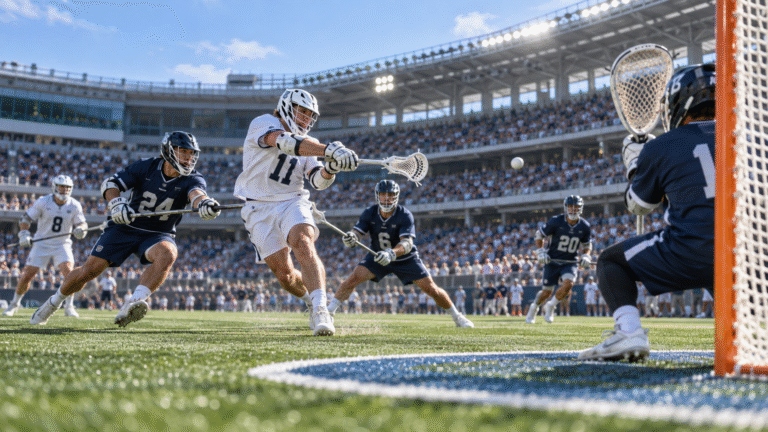
For newcomers exploring Lacrosse 101, the sport offers an exciting combination of speed, strategy, physicality, and skill. If you’re just getting started, this guide will walk you through everything you need to know, from basic rules and equipment to your first practice plan.
Whether you’re a student-athlete, a parent, or just someone curious about trying a new sport, this guide is designed to help you confidently step onto the field.
Why Start Playing Lacrosse?
Getting into Lacrosse isn’t just about learning a new sport, it’s about building athleticism, teamwork, and confidence. It’s also beginner-friendly when you build strong fundamentals early and avoid the most common beginner Lacrosse mistakes.
Physical Benefits
- Improves speed, agility, and coordination
- Builds full-body strength and endurance
- Enhances hand-eye coordination
Skill Development Benefits
- Encourages teamwork and communication
- Builds discipline and consistency
- Opens opportunities for school teams and college recruitment
👉 Bottom line: Lacrosse is ideal for athletes who enjoy fast-paced, high-energy sports with both physical and strategic elements.
Beginner Lacrosse Basics: Rules and Objective
Before picking up a stick, it’s important to understand how the game works and become familiar with essential Lacrosse terms.
Objective of Lacrosse
The goal is simple: score more goals than your opponent by shooting the ball into the net using your Lacrosse stick.
Key Rules for Beginners
- Each team has 10 players on the field (men’s field Lacrosse)
- Players use a stick (crosse) to pass, catch, and shoot
- Physical contact is allowed within rules (body checks)
- The game is played in four quarters
Positions Overview
| Position | Role Description |
|---|---|
| Attack | Focus on scoring goals |
| Midfield | Play both offense and defense |
| Defense | Protect the goal |
| Goalie | Stops shots on goal |
💡Beginner Tip: Midfield is often the best position to start because it helps you learn all aspects of the game.
Essential Lacrosse Equipment for Beginners
Having the right gear is critical, not just for performance, but for safety.
Must-Have Lacrosse Gear
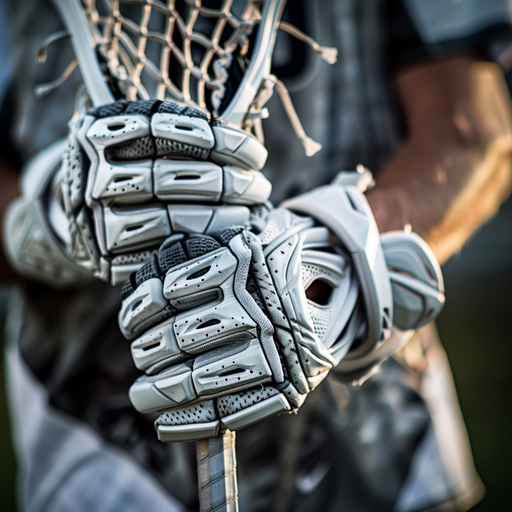
- Lacrosse stick (crosse): Your main tool for passing, catching, and shooting
- Helmet (men’s Lacrosse): Protects against checks and shots
- Gloves: Improve grip and protect hands
- Shoulder pads & arm pads: Absorb contact
- Mouthguard: Required for safety
- Cleats: Provide traction on the field
Beginner Equipment Checklist
| Item | Priority | Notes |
|---|---|---|
| Stick | High | Choose based on position |
| Helmet | High | Required for safety |
| Gloves | High | Essential for control |
| Pads | Medium | Depends on league level |
| Cleats | Medium | Soccer or football cleats work |
👉 Pro Tip: Start with a complete beginner set if you’re unsure—many brands offer affordable starter kits.
How to Start Playing Lacrosse (Step-by-Step)
Starting a new sport can feel overwhelming, but breaking it down makes it manageable.
Step 1: Learn the Basics
Focus on:
- How to hold the stick
- Basic passing and catching
- Cradling (keeping the ball secure while moving)
Step 2: Practice Solo Drills
Even without a team, you can improve your control through simple Lacrosse stick-handling drills:
- Wall ball (passing against a wall)
- Ground ball pickups
- Stationary shooting form
Step 3: Join a Team or League
Look for:
- School teams
- Local youth leagues
- Beginner clinics
Step 4: Build Fitness
Lacrosse requires:
- Sprint speed
- Agility
- Endurance
Start with short runs, agility drills, and bodyweight exercises.
Beginner Lacrosse Practice Plan (Weekly Overview)
Consistency is key when learning Lacrosse. Here’s a simple weekly plan for beginners:
| Day | Focus | Key Activities | Duration |
|---|---|---|---|
| Monday | Stick Skills | Wall ball, cradling drills | 30–45 min |
| Tuesday | Conditioning | Sprints, agility ladder | 30 min |
| Wednesday | Passing & Catching | Partner drills, movement passing | 45 min |
| Thursday | Shooting Basics | Form shooting, target practice | 30–40 min |
| Friday | Game Understanding | Watch games, learn positioning | 20–30 min |
| Saturday | Light Practice | Combine drills + fun play | 45 min |
| Sunday | Rest | Recovery & stretching | — |
💡Beginner Insight: Keep sessions short and focused to avoid burnout and improve skill retention.
Fundamental Lacrosse Skills Every Beginner Should Master

To progress quickly, focus on mastering these core skills first.
1. Cradling
- Keeps the ball secure in your stick
- Essential while running or dodging
2. Passing and Catching
- Use both hands early on
- Focus on accuracy before power
3. Ground Balls
- A critical skill in every game
- Stay low and scoop through the ball
4. Shooting
- Start with proper form
- Gradually add power and accuracy
👉 Key Tip: Practice with your non-dominant hand to become a more complete player.
Common Beginner Mistakes (And How to Avoid Them)
Starting strong means avoiding habits that slow your progress.
Mistakes to Watch For
- Only using one hand
- Skipping fundamentals for advanced moves
- Poor conditioning
- Ignoring defensive skills
How to Fix Them
- Practice both hands daily
- Focus on basics before flashy techniques
- Include fitness in your routine
- Learn positioning early
Injury Prevention and Safety Tips
Lacrosse is physical, but injuries are preventable with smart habits.
Stay Safe on the Field:
- Always wear proper protective gear
- Warm up before every session
- Stretch after practice
- Stay hydrated
- Learn proper checking techniques
💡Important: Beginners should prioritize control and technique over aggressive play.
FAQ: Beginner Lacrosse Guide
Is Lacrosse hard to learn for beginners?
Not at all. With consistent practice and the right drills, beginners can quickly pick up the basics.
What is the best age to start Lacrosse?
Players can start as young as 6–8 years old, but it’s never too late to begin.
How long does it take to get good at Lacrosse?
With regular practice (3–5 times per week), noticeable improvement can happen within a few months.
Do I need to be fast to play Lacrosse?
Speed helps, but skills, positioning, and game awareness are just as important.
Can I practice Lacrosse alone?
Yes: wall ball, shooting drills, and footwork exercises are great solo training options.
Takeaway: Start Your Lacrosse Journey Today
Lacrosse is an exciting, fast-paced sport that rewards effort, consistency, and smart training. By learning the basics, practicing regularly, and following a structured weekly Lacrosse workout plan, you can build your skills step by step and gain confidence on the field.
The key is simple: start now, stay consistent, and enjoy the process.
Every pass, sprint, and practice session brings you closer to becoming a better player. Whether your goal is making a team or just having fun, lacrosse offers a rewarding path for beginners ready to take the first step.
Ready to unlock your full potential ?