Choosing the right Lacrosse cleats for speed and turf grip comes down to traction, fit, support, and field type. The best pair helps you accelerate faster, cut sharply, and stay stable during high-speed play without sacrificing comfort.
Whether you compete on artificial turf, natural grass fields, or mixed surfaces, the right cleats can directly impact your performance. Lightweight construction, smart stud patterns, and proper ankle support all matter when selecting footwear for modern Lacrosse.
In this guide, you’ll learn how to choose Lacrosse cleats that improve speed, maximize grip, and help you perform confidently in every quarter.
Understand the Role of Traction and Field Type
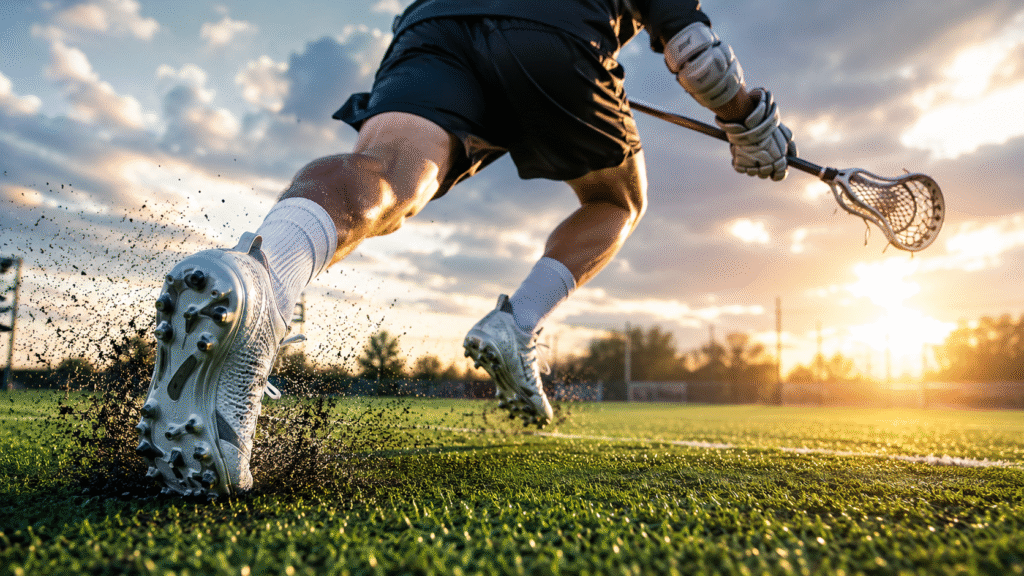
Lacrosse is one of the fastest field sports in the USA, and traction is critical for explosive movement. Players constantly sprint, dodge, pivot, and decelerate. Your cleats must match the playing surface to provide consistent grip without limiting mobility.
Turf vs Molded Lacrosse Cleats
One of the most important decisions is choosing between turf shoes and molded cleats.
| Cleat Type | Best Surface | Advantages | Potential Drawbacks |
|---|---|---|---|
| Turf Shoes | Artificial turf | Excellent comfort, lower stud pressure, strong agility | Less aggressive traction |
| Molded Cleats | Grass and mixed surfaces | Better digging grip and acceleration | Can feel stiff on turf |
| Hybrid Cleats | Turf and grass | Versatile performance | Not always elite in either category |
Players often ask: what is the difference between turf shoes and Lacrosse cleats? Turf shoes use shorter rubber patterns designed for artificial surfaces, while traditional Lacrosse cleats use longer studs for deeper penetration into grass.
How Do I Choose Lacrosse Cleats for Artificial Turf?
For turf-heavy programs, prioritize:
- Shorter molded studs
- Flexible forefoot design
- Lightweight construction
- Durable rubber traction zones
- Shock absorption for harder surfaces
Many college programs now play primarily on synthetic turf, making Lacrosse cleats for turf fields increasingly popular among midfielders and attackers.
What Cleat Pattern Gives the Best Grip in Lacrosse?
The ideal traction pattern depends on position and playing style.
For maximum grip:
- Conical studs improve quick rotation
- Bladed studs enhance forward acceleration
- Multi-directional patterns support cutting
- Heel studs improve braking power
The best Lacrosse cleat traction and grip setup balances explosiveness with stability, especially during rapid direction changes.
Focus on Speed, Weight, and Playing Position
Not every Lacrosse player needs the same cleat profile. Attackers and midfielders often prioritize acceleration, while defenders may need more support and stability.
Best Lightweight Lacrosse Cleats for Faster Acceleration
Speed-focused players should look for:
- Minimal upper materials
- Lightweight synthetic construction
- Responsive midsoles
- Aggressive forefoot traction
- Low-profile heel cushioning
The best Lacrosse cleats for speed reduce excess weight while maintaining enough support for aggressive movement.
In high-level tournaments, elite midfielders often choose streamlined cleats that help them transition quickly between offense and defense.
Which Lacrosse Cleats Are Best for Midfield Players and Attackers?
Midfielders cover the most ground during a game, making lightweight performance essential.
The ideal options for these players include:
- Flexible toe box
- Strong lateral grip
- Breathable upper mesh
- Responsive traction plate
- Secure ankle lockdown
Attackers may also prioritize agility-focused cleats that allow sharper cuts near the crease.
Low Cut vs Mid Cut Lacrosse Cleats
Low-Cut Cleats
Best for:
- Speed players
- Skilled attackers
- Agile midfielders
Advantages:
- Maximum mobility
- Faster foot turnover
- Reduced weight
Mid-Cut Cleats
Best for:
- Defensive players
- Physical midfielders
- Players needing ankle support
Advantages:
- Extra ankle stability
- Better support during contact
- Increased confidence on uneven fields
Players in colder northern states like Minnesota or Massachusetts often prefer additional support during wet-weather games.
Prioritize Proper Fit for Performance and Safety
Even the best traction system will fail if the cleats fit poorly. Proper sizing affects acceleration, balance, comfort, and injury prevention.
Proper Fit for Lacrosse Cleats
A secure fit should feel:
- Snug in the heel
- Stable in the midfoot
- Slightly roomy in the toe box
- Comfortable during lateral movement
The ideal proper fit for Lacrosse cleats prevents foot slippage without creating painful pressure points.
How Tight Should Lacrosse Cleats Fit?
A good rule:
- Your heel should remain locked during sprinting
- Toes should not hit the front while stopping
- There should be minimal side-to-side movement
Avoid buying cleats that are too large “to grow into”. Loose footwear reduces control and increases slipping risk.
Break-In and Sock Considerations
Always test cleats with game-day socks. Thick performance socks can significantly change fit and comfort.
Break-in tips:
- Wear cleats indoors first
- Gradually increase practice use
- Avoid full-speed drills immediately
- Check for pressure points after each session
This process is especially important during preseason camps in warmer climates like Arizona or Georgia, where heat and turf surfaces create extra foot stress.
Improve Grip and Stability in Different Weather Conditions
Field conditions can dramatically affect performance. Wet turf, muddy grass, and freezing temperatures all require different traction strategies.
Best Lacrosse Cleats for Wet Turf Conditions
Wet turf increases slipping risk because moisture reduces surface friction.
Look for:
- Multi-directional studs
- Wider traction distribution
- Water-resistant uppers
- Reinforced heel grip
The best Lacrosse cleats for wet turf conditions maintain stability without collecting excess moisture.
Programs in rainy regions often prioritize all-weather traction systems.
How to Prevent Slipping on Turf in Lacrosse
If you frequently lose footing during games, consider these adjustments:
- Clean debris from studs regularly
- Replace worn cleats before the season ends
- Use turf-specific models on artificial surfaces
- Tighten laces properly before each game
- Avoid overly long studs on synthetic fields
Understanding how to prevent slipping on turf in Lacrosse can improve both safety and confidence during aggressive cuts.
Do Turf Lacrosse Cleats Improve Speed and Agility?
Yes, in many situations they do.
Turf-specific designs often:
- Improve balance on artificial surfaces
- Increase comfort during long games
- Enhance quick directional changes
- Reduce stud pressure fatigue
On modern synthetic surfaces used in many NCAA and club facilities, turf-focused models can absolutely support faster movement.
Compare Lacrosse Cleats With Other Sports Footwear
Some athletes transitioning from football or soccer wonder if those cleats can work for Lacrosse.
Are Football Cleats Good for Lacrosse Players?
Football cleats can work temporarily, but they are not ideal long-term.
Football models are generally:
- Heavier
- Built for straight-line power
- Less flexible during lateral cuts
Lacrosse cleats are designed specifically for:
- Continuous movement
- Multi-directional agility
- Faster transition play
While some high school athletes use football cleats for versatility, dedicated Lacrosse footwear usually performs better.
Key Features to Compare Before Buying
When evaluating options, focus on:
- Stud pattern
- Cleat weight
- Cushioning
- Upper flexibility
- Ankle support
- Surface compatibility
Knowing how to choose Lacrosse cleats means balancing these elements based on your position, playing surface, and movement style.
Signs It’s Time to Replace Your Cleats
Replace cleats if you notice:
- Worn-down studs
- Reduced traction
- Heel instability
- Torn upper materials
- Midsole flattening
Most competitive players in the USA replace cleats every season or after heavy tournament schedules.
FAQ: How to Choose Lacrosse Cleats for Speed and Turf Grip
What are the best Lacrosse cleats for speed?
The best speed-focused cleats are lightweight, flexible, and designed with aggressive forefoot traction. Attackers and midfielders often prefer streamlined models that maximize acceleration and quick cuts.
How do I choose Lacrosse cleats for artificial turf?
Choose cleats with shorter studs, flexible traction patterns, and cushioning designed for synthetic surfaces. Turf-specific Lacrosse cleats usually improve comfort and stability on modern artificial fields.
What cleat pattern gives the best grip in Lacrosse?
Multi-directional stud patterns combining conical and bladed studs typically provide the best balance of acceleration, cutting ability, and stopping power during gameplay.
Are football cleats good for Lacrosse players?
Football cleats can work occasionally, but they are generally heavier and less agile than Lacrosse-specific footwear. Lacrosse cleats are better optimized for continuous movement and fast directional changes.
How tight should Lacrosse cleats fit?
Lacrosse cleats should fit snugly without restricting circulation. Your heel should stay secure while your toes still have slight room for comfort during sprinting and stopping.
Takeaway: Choose Lacrosse Cleats That Match Your Speed and Playing Surface
Selecting the right Lacrosse cleats is about finding the perfect balance between speed, grip, comfort, and field compatibility. Players who prioritize traction patterns, lightweight construction, and proper fit often move faster and play more confidently on both grass and turf fields.
Whether you’re competing in showcase tournaments, high school leagues, or elite club programs across the USA, the right cleats can elevate every cut, sprint, and dodge.
Invest in footwear designed specifically for your position and surface conditions, and you’ll gain a real performance advantage every time you step onto the field.
Lace up, trust your movement, and play fast from the opening whistle to the final possession.
Ready to unlock your full potential ?