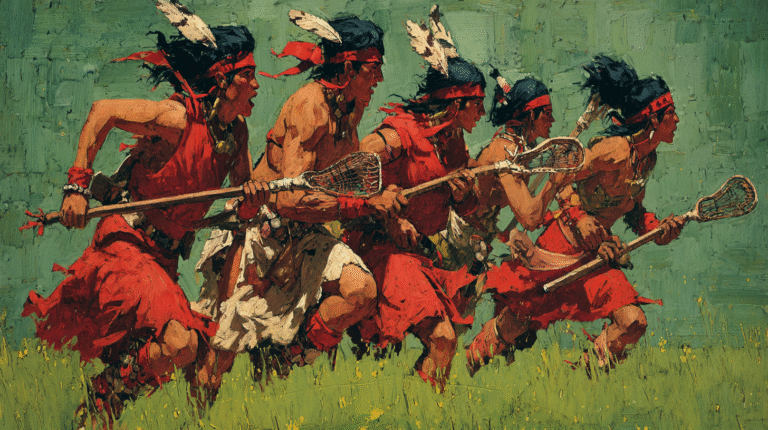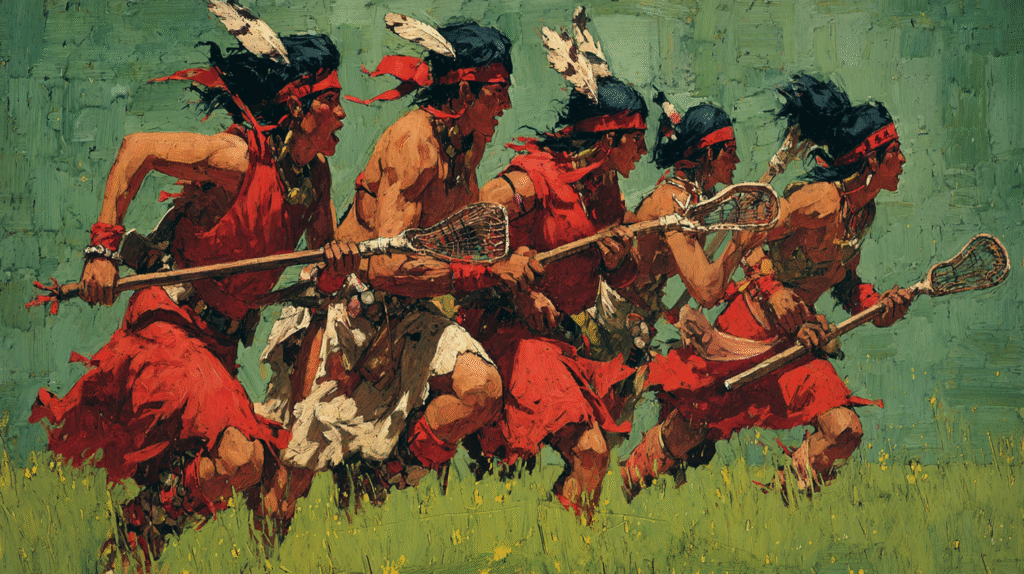
Origins of Lacrosse trace back to Native American culture, and the game has since evolved into a globally recognized sport.
Originally played by indigenous tribes in the USA and Canada, it served spiritual, ceremonial, and community-building purposes long before standardized rules existed.
From traditional sticks crafted by hand to modern leagues in New York, Chicago, and Los Angeles, Lacrosse has undergone a remarkable transformation.
Understanding the history of Lacrosse among Native Americans and its cultural significance provides insight into both its ancient heritage and its evolution into contemporary professional and international competitions.
The History of Lacrosse Among Native Americans
Lacrosse is not just a sport, it was a sacred practice among many Native American tribes.
Known as “the Creator’s Game”, it was played for multiple purposes: settling disputes, preparing for war, celebrating spiritual events, and building community cohesion.
How Did Lacrosse Originate with Native American Tribes?
The earliest records of Lacrosse date back to the 12th century, primarily among the Iroquois (Haudenosaunee), Cherokee, and Ojibwe tribes.
These games could involve hundreds of players on fields spanning miles, lasting several days.
Unlike today’s structured competitions, these matches were as much spiritual ceremonies as athletic contests.
Spiritual and Ceremonial Significance
Lacrosse served as a conduit to connect with the Creator. Before each game, prayers and rituals were performed, asking for protection, success, and harmony.
The game reinforced social bonds, honored tribal ancestors, and preserved cultural heritage through active practice.
Traditional Lacrosse Equipment and Techniques
Native American Lacrosse was distinct in its equipment and play style, which influenced modern designs.
Traditional Lacrosse Sticks and How They Were Made
Tribal artisans crafted sticks from hickory wood, with a netted pouch of leather or sinew. Each stick was unique, reflecting the player’s status and personal style.
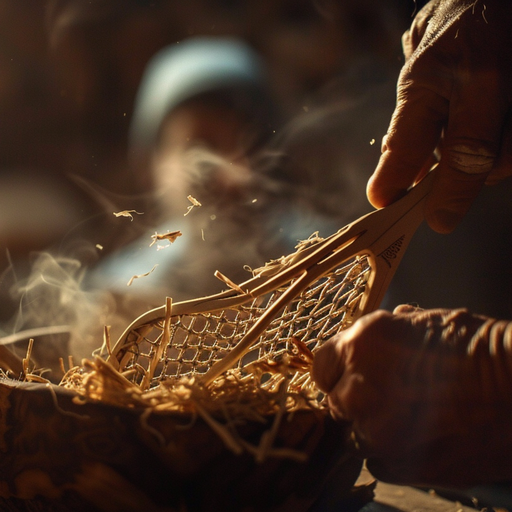
Players learned how to catch, cradle, and throw the ball from a young age, ensuring skills were passed down through generations.
Techniques and Gameplay
Traditional Lacrosse emphasized endurance, agility, and teamwork.
Unlike modern rules with fixed goals, the game’s objective was often to move the ball toward a target area or opponent, blending strategy with ceremonial performance.
Comparison of Traditional vs Modern Lacrosse Equipment:
| Feature | Traditional Lacrosse | Modern Lacrosse |
|---|---|---|
| Stick Material | Hickory wood, leather or sinew | Composite materials, plastic head |
| Ball Material | Wood or deerskin-wrapped ball | Rubber or synthetic ball |
| Field Size | Up to several miles | Standardized, ~110×60 yards |
| Number of Players | Dozens to hundreds | Men: 10, Women: 12 |
| Game Purpose | Spiritual, community, dispute settlement | Competitive, recreational |
Spread of Lacrosse to Europe and North America
The arrival of European settlers in the 17th century introduced Lacrosse to a broader audience. French Jesuit missionaries in Canada observed Native games and documented them in detailed reports, noting both athletic skill and spiritual significance.
When Did Lacrosse Become an Organized Sport Outside Native Communities?
By the mid-1800s, Lacrosse had become codified in Canada and spread to the northeastern USA. The first clubs were established in Montreal, New York, and Boston. Standardized rules, smaller teams, and structured seasons allowed the sport to evolve into competitive leagues.
Evolution of Modern Lacrosse Rules and Leagues
Modern Lacrosse in the USA now includes:
- Men’s field Lacrosse, overseen by NCAA and professional leagues like PLL (Premier Lacrosse League)
- Women’s Lacrosse, which emphasizes speed and agility with slightly different rules
- Box Lacrosse, an indoor variant popular in Canada
The sport’s expansion also prompted international competitions in Europe, Australia, and Asia, blending Native traditions with global athletic standards.
Differences Between Men’s and Women’s Lacrosse
Men’s and women’s Lacrosse differ in gameplay, equipment, and strategy, yet both honor the spirit of the original Native American game.

Key Gameplay Differences
- Men’s Lacrosse: Full contact, protective gear mandatory, 10 players per team
- Women’s Lacrosse: Minimal contact, sticks with shallower pockets, 12 players per team
- Field Sizes: Similar but with strategic variations in positioning and movement
Cultural Considerations
Despite modern changes, both variants often include ritualized respect for the game’s Native origins, with educational programs in schools highlighting the cultural significance of Lacrosse in indigenous communities.
Lacrosse as a Sport in Contemporary Global Competitions
Today, Lacrosse has emerged as a thriving international sport, reflecting its Native American roots while embracing global participation.
How is Lacrosse Played Internationally Today?
National teams from the USA, Canada, England, Australia, and Japan compete in events such as:
- World Lacrosse Championships
- NCAA tournaments across the United States
- Professional leagues like PLL (USA) and CLax (Canada)
These competitions maintain a connection to traditional skills while emphasizing modern athleticism and international standards.
Preservation of Native American Lacrosse Traditions
Efforts continue to honor indigenous heritage, including:
- Haudenosaunee Nationals representing Iroquois Confederacy internationally
- Cultural workshops at major tournaments
- Educational programs teaching traditional techniques and ceremonial aspects
By integrating Native history, modern Lacrosse ensures its ancient roots remain visible amid professional play.
FAQ: Common Questions About Lacrosse Origins and Evolution
What tribes played Lacrosse and why was it important?
The Iroquois, Cherokee, Ojibwe, and other tribes played Lacrosse. It was important for spiritual, ceremonial, and social purposes, serving as both a training exercise and a sacred ritual.
How were traditional Lacrosse sticks made?
Sticks were carved from hickory or other hardwoods with a leather or sinew netting. Each stick reflected the player’s skill and identity, emphasizing craftsmanship and tradition.
When did Lacrosse become an organized sport outside Native communities?
Lacrosse became codified in the mid-1800s in Canada and the northeastern USA, with clubs in Montreal, New York, and Boston standardizing rules and team sizes.
How have Lacrosse rules changed over time?
Rules evolved from large, ceremonial matches to structured modern games, including separate regulations for men’s, women’s, and indoor (box) Lacrosse.
How does Lacrosse preserve indigenous cultural heritage?
Through Native representation in national teams, ceremonial acknowledgments, educational programs, and continued teaching of traditional techniques, Lacrosse maintains its spiritual and cultural legacy.
Takeaway: Why Lacrosse’s Origins Matter Today
Understanding the origins of Lacrosse among Native Americans provides both historical insight and cultural appreciation.
From handcrafted sticks and ceremonial matches to professional leagues in New York and Los Angeles, Lacrosse has evolved while honoring its roots.
Modern athletes, whether in men’s or women’s Lacrosse, inherit a game rich in spiritual significance, community values, and strategic skill.
By preserving indigenous traditions and promoting international play, Lacrosse continues to bridge past and present, inspiring Americans nationwide to celebrate its history while competing at the highest levels.
Play hard, honor history, and embrace the legacy of the Creator’s Game!
Ready to unlock your full potential ?