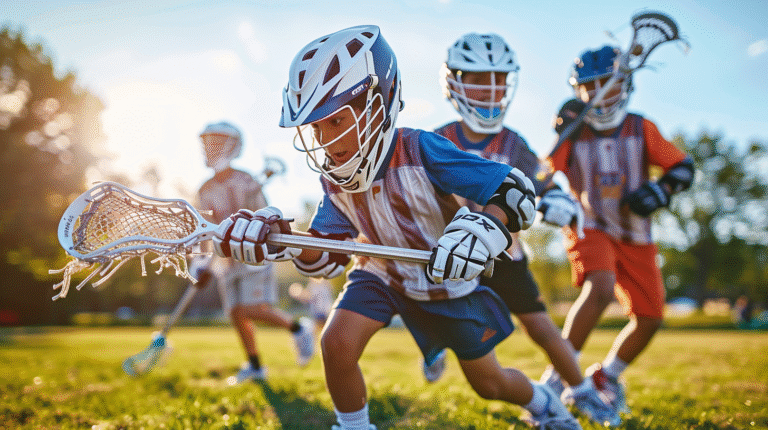
Help youth Lacrosse improve starts at home. Parents play a pivotal role in accelerating their child’s development by providing support, structure, and encouragement both on and off the field. From teaching stick skills to reinforcing healthy habits, parental involvement can significantly impact a young athlete’s growth.
This guide provides actionable strategies for parents in the USA, whether your child plays in New York, Los Angeles, or Chicago. You’ll discover how to foster confidence, enhance Lacrosse skills, prevent injuries, and create a positive environment that keeps your child motivated while enjoying the sport.
Youth Lacrosse Training Tips for Parents
Supporting your child in Lacrosse begins with understanding the fundamentals of youth Lacrosse training. Parents don’t need to be coaches, but their guidance can make practice more productive and engaging. Here are essential tips:
Encourage Consistent Practice
Consistency is key for skill improvement. Aim for 3–5 practice sessions per week, combining team practices and at-home drills.
Create a Positive Environment
- Celebrate small successes, like completing a new stick move.
- Avoid negative comparisons to teammates; focus on personal growth.
Set Realistic Goals
Discuss what your child wants to achieve. For example, mastering passing accuracy or improving speed. Tracking progress helps maintain motivation.
💡At-home tip: Short, daily 15–20 minute skill sessions often yield better results than long, sporadic practice.
Lacrosse Skill Development for Beginners
For young athletes just starting out, building foundational skills is crucial. Parents can guide their children with these methods:
Stick Handling and Passing
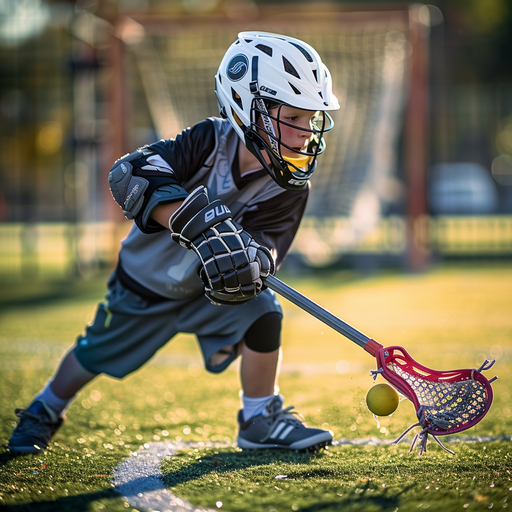
Practicing stick skills improves coordination and game readiness. Use soft Lacrosse balls indoors or backyard nets for accuracy drills.
Shooting Techniques
- Encourage correct form rather than power.
- Start close to the goal and gradually increase distance.
Agility and Speed Exercises
Quick movements make a big difference on the field. Ladder drills, cone drills, and shuttle runs enhance footwork and reaction time.
| Skill Area | Drill Example | Frequency |
|---|---|---|
| Stick Handling | Wall Ball Drills | 10–15 min/day |
| Passing Accuracy | Target Practice with Hula Hoops | 10 min/day |
| Shooting | Stationary & Moving Shots | 15 min/session |
| Agility & Speed | Ladder Drills / Cone Drills | 2–3x/week |
These drills are ideal for American kids in cities with limited space, like Los Angeles apartments or New York backyards.
At-Home Lacrosse Practice Drills and Goal Tracking
At-home practice is essential to supplement team training. Parents can provide structure and accountability.
Recommended Drills
- Wall Ball: Improves stick control and passing.
- Mirror Drills: Helps players practice dodges and fakes in a small space.
- Target Shooting: Use cones or buckets for accuracy challenges.
Tracking Progress and Setting Lacrosse Goals
Parents should help kids set measurable, attainable goals:
- Short-term: 20 accurate passes in 5 minutes.
- Medium-term: Successfully complete three types of dodges.
- Long-term: Improve speed and endurance by measurable amounts each month.
⚡Tip: Keep a progress journal. Kids love seeing improvements, boosting confidence and motivation.
Nutrition, Fitness, and Injury Prevention for Youth Lacrosse
Performance isn’t just about drills; it’s also about nutrition, fitness, and injury prevention.
Nutrition for Young Athletes
- Prioritize protein-rich snacks, fruits, and vegetables.
- Hydration is crucial, especially during summer tournaments in Chicago or outdoor leagues in Florida.
Fitness and Conditioning

- Incorporate bodyweight exercises: push-ups, squats, planks.
- Include fun cardio like short sprints, tag games, or jump rope sessions.
Preventing Injuries
- Always warm up and stretch before practice.
- Teach proper techniques for checks, falls, and stick handling.
- Ensure proper equipment fit: helmets, pads, and gloves.
Parents who monitor fitness and health reduce the risk of common Lacrosse injuries in children, keeping athletes on the field longer and safer.
Building Confidence and Motivation in Young Lacrosse Players
Mental strength is as important as physical skill. Parents can help their children build confidence and maintain motivation:
Positive Reinforcement
Praise effort over results. Statements like, “You improved your passing today!” encourage growth mindset.
Encourage Fun and Creativity
- Let kids experiment with new moves or strategies.
- Include mini-games or family competitions at home.
Balancing School, Lacrosse, and Rest
Ensure your child isn’t overwhelmed:
- Create a weekly schedule that includes homework, practice, and downtime.
- Encourage 8–10 hours of sleep nightly to aid recovery.
Parents who balance structure with fun make Lacrosse practice an enjoyable and sustainable habit, keeping kids engaged season after season.
FAQ: Helping Youth Lacrosse Players Improve Faster (Parent Tips, Training & Drills)
How can parents help their child improve Lacrosse stick skills?
Parents can provide daily short sessions of wall ball, target practice, and catching drills. Encouraging consistent practice while maintaining proper technique accelerates improvement.
What are the best Lacrosse drills to do at home?
Wall ball, mirror dodges, and target shooting are ideal at-home drills. These exercises are space-efficient and focus on stick handling, passing, and accuracy.
How often should a youth Lacrosse player practice each week?
A mix of 3–5 sessions per week, including team practices and at-home drills, balances skill development and rest. Short, consistent sessions often outperform sporadic long ones.
How to prevent common Lacrosse injuries in children?
Proper warm-ups, stretching, strength training, and using well-fitted protective gear significantly reduce injury risk. Supervised drills and good technique are also critical.
How to help a child set realistic Lacrosse goals?
Break goals into short-term, medium-term, and long-term milestones. Track progress with a journal or app and celebrate achievements to keep motivation high.
Takeaway: Simple Ways Parents Can Boost Youth Lacrosse Skills and Confidence
Parents are powerful allies in their child’s Lacrosse journey. By providing structured at-home practice, promoting skill development, supporting nutrition and fitness, and fostering confidence, parents can help young athletes improve faster and enjoy the sport more.
Tracking progress, celebrating small victories, and maintaining a positive environment ensures sustainable growth. With the right approach, kids from New York to Los Angeles can develop skills, resilience, and a love for Lacrosse that lasts a lifetime.
Invest in your child’s growth today, every supportive action counts toward their success on the field!
Ready to unlock your full potential ?