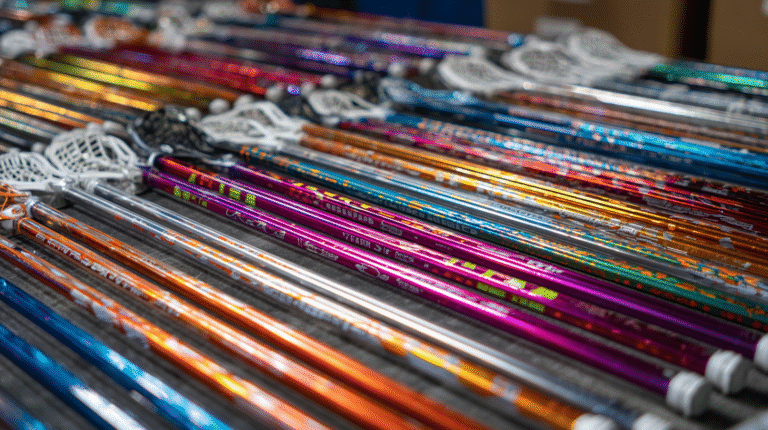
Choosing the perfect Lacrosse shaft comes down to three essentials: your position, preferred material, and feel in your hands.
Attack players typically need control and precision, midfielders need balance, and defenders need strength and reach. The right shaft improves passing accuracy, shot power, and durability over a long season.
In this guide, you’ll learn how to choose a Lacrosse shaft that matches your playing style, skill level, and performance goals, so you can step onto the field with confidence and a competitive edge.
Understanding the Basics: How to Choose a Lacrosse Shaft
Before exploring advanced features, you need a strong foundation. Picking the right Lacrosse shaft comes down to three essentials: length, weight, and design tailored to your position.
Shaft Length by Position
Each position in Lacrosse has specific regulations and practical preferences:
- Attack & Midfield: 30 inches (short stick)
- Defense (Long Stick): 60 inches
- Goalie: 40 inches
If you’ve ever asked,“What size Lacrosse shaft should I use for defense?”, the answer is simple: go long for maximum reach and checking ability.
Weight Considerations
Here’s a quick look at the ideal Lacrosse shaft weight for each position:
- Attack: Lightweight for quick stick movement
- Midfield: Balanced for versatility
- Defense: Heavier for durability and impact
💡Quick Tip: If you’re unsure, start with a mid-weight shaft, it’s the safest choice for beginners and developing players.
Lacrosse Shaft Materials Comparison (Alloy vs Composite)
One of the biggest decisions is choosing between metal and composite builds.
Alloy Shafts
Typically made from aluminum or scandium blends:
Pros:
- Affordable (great for beginners)
- Durable against checks
- Widely available
Cons:
- Can dent over time
- Slightly heavier
Composite Shafts
Made from carbon fiber or advanced polymers:
Pros:
- Lightweight and responsive
- Excellent vibration dampening
- High-end performance feel
Cons:
- More expensive
- Can crack under extreme stress
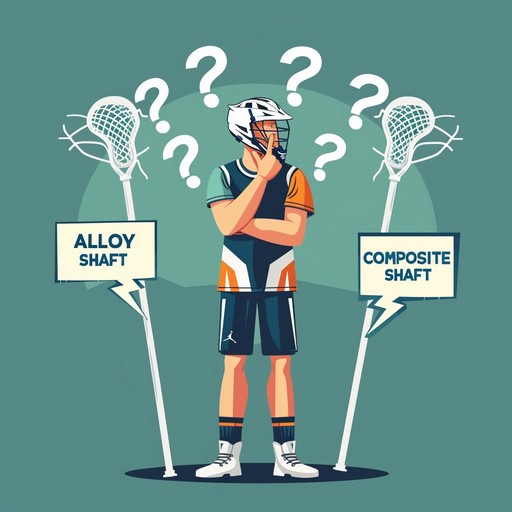
Is a Composite or Metal Lacrosse Shaft Better for Beginners?
For most beginners, alloy shafts are the better starting point due to affordability and durability. However, intermediate players often upgrade to composite for performance gains.
Comparison Table:
| Feature | Alloy Shaft | Composite Shaft |
|---|---|---|
| Weight | Medium | Light |
| Durability | High (dent-resistant) | High (crack-resistant) |
| Cost | Budget-friendly | Premium |
| Performance Feel | Solid | Responsive |
| Best For | Beginners & defense | Attack & advanced players |
Choosing by Position: Attack, Midfield, and Defense Needs
Your position heavily influences your choice. This is where a proper midfield Lacrosse shaft buying guide or attack/defense breakdown becomes essential.
Best Lacrosse Shaft for Attack Players
If you’re searching for the best Lacrosse shaft for attack players who want more control, prioritize:
- Lightweight design
- Enhanced grip
- Quick-release feel
Attack players in fast-paced leagues benefit from precision and speed over brute strength.
How to Choose a Midfield Lacrosse Shaft for Speed and Durability
Midfielders need versatility. The ideal shaft offers:
- Balanced weight
- Strong construction
- Comfortable grip
Focus on hybrid materials, such as scandium blends, that offer both speed and durability.
Defense Lacrosse Shaft Length and Weight
Defense players require reach and power.
The question often comes up: “Do defensive Lacrosse shafts need extra strength or flexibility?”.
Answer: strength is more important.
Look for:
- Heavier shafts
- Reinforced sidewalls
- Long-stick compatibility
Players in physical leagues benefit from durable shafts that can withstand constant contact.
Lightweight vs Durable Lacrosse Shafts: Finding the Right Balance
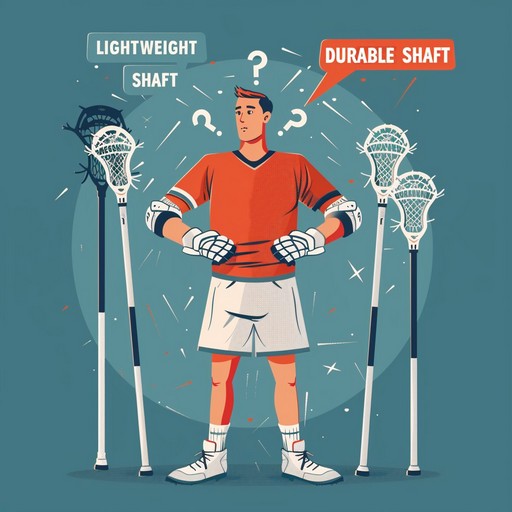
The debate between lightweight vs durable Lacrosse shafts is one of the most important decisions you’ll make.
| Best for: | Benefits: | |
|---|---|---|
| Lightweight Shafts | • Attack players • Fast midfielders • Skill-focused athletes | • Faster shots • Quicker passes • Less fatigue |
| Durable Shafts | • Defense • Aggressive midfielders • Beginners | • Longer lifespan • Better resistance to checks • Consistent performance |
How to Know if a Lacrosse Shaft Is Too Heavy or Too Light
A shaft is too heavy if:
- Your shot slows down
- Your arms fatigue quickly
Too light if:
- You lose control on checks
- Passes feel unstable
The sweet spot is a shaft that feels natural during both sprinting and shooting drills.
Lacrosse Shaft Grip Types and Textures
Grip is often overlooked, but it directly impacts control and accuracy. Understanding Lacrosse shaft grip types and textures can elevate your game instantly.
Common Grip Types
- Smooth Finish: Minimal friction, faster hand movement
- Textured Grip: Enhanced control
- Rubberized Coating: Maximum grip, even in wet conditions
How Grip Affects Performance in a Lacrosse Shaft
- Better grip = improved ball control
- Less slipping = more accurate shots
- Consistent handling in all weather
Players in rainy regions like Seattle often prefer rubberized or textured grips for reliability.
Top Features to Look for in a Lacrosse Shaft
When evaluating options, prioritize:
- Weight balance
- Material quality
- Grip texture
- Durability rating
- Position compatibility
These are the top features to look for in a Lacrosse shaft that truly impact performance.
FAQ: How to Choose the Right Lacrosse Shaft (Expert Answers)
What Lacrosse shaft do professional attack and defense players use?
Pro players often use composite shafts for attack and reinforced alloy shafts for defense, depending on their playing style and league demands.
What is the ideal weight for a Lacrosse shaft by position?
Attack prefers lightweight, midfield uses balanced, and defense benefits from heavier shafts for strength and reach.
Is a composite or metal Lacrosse shaft better for beginners?
Metal (alloy) shafts are typically better for beginners due to affordability and durability.
Best budget Lacrosse shafts for attack, midfield, and defense?
Look for alloy shafts under $100, they provide excellent value across all positions without sacrificing performance.
Do defensive Lacrosse shafts need extra strength or flexibility?
They need extra strength, not flexibility, to handle checks and physical play effectively.
Takeaway: Choose the Right Lacrosse Shaft and Elevate Your Game
The perfect Lacrosse shaft isn’t about hype, it’s about fit.
By focusing on your position, choosing between alloy and composite materials, and balancing weight, durability, and grip, you can dramatically improve your performance.
Attack players should prioritize speed and control, midfielders need versatility, and defenders require strength and reach.
The right shaft gives you confidence every time you touch the ball.
Make a smart choice, trust your feel, and step onto the field ready to dominate.
Ready to unlock your full potential ?