
Women’s Lacrosse safety is often viewed as fairly good, especially compared to high-contact sports, but it is not risk-free.
While strict rules limit physical contact, players still face injuries from sticks, balls, and fast-paced gameplay.
The real answer lies in understanding the balance between skill, speed, and safety protocols.
With proper coaching, protective gear, and awareness, most risks can be minimized.
Whether you’re a parent, a high school athlete, or a beginner, understanding injury risks and prevention in women’s Lacrosse is essential to making informed decisions about the sport.
Women’s Lacrosse Injury Rates and Statistics in the USA
Understanding women’s Lacrosse injury rates and statistics is the first step in evaluating safety.
Across the USA, from high school leagues to NCAA programs, data shows that injury rates are lower than in contact sports like football but comparable to soccer.
How Often Do Serious Injuries Happen in Women’s Lacrosse?
Studies from U.S. athletic associations suggest:
- Injury rates average 5–7 injuries per 1,000 athletic exposures
- Most injuries are minor to moderate
- Severe injuries (like fractures or ACL tears) are less common but still possible
The reality is that serious injuries are relatively rare, but not negligible.
Why Are Injury Rates Higher in Women’s Lacrosse Than Expected?
According to some experts, it comes down to:
- Less protective equipment, one of the key differences between women’s and men’s Lacrosse
- High-speed ball impact (up to 60–70 mph)
- Close stick checking in tight spaces
Despite non-contact rules, accidental contact and stick collisions still occur.
Common Injuries in Women’s Lacrosse Players
Looking at common injuries, patterns emerge across youth and college teams.
Most Frequent Injuries
Here are the common injuries in women’s Lacrosse:
- Sprains and strains (ankles, knees)
- Contusions (bruises from stick or ball contact)
- Concussions
- Fractures (less frequent but serious)
- Overuse injuries (shin splints, tendonitis)
Injury Breakdown Overview
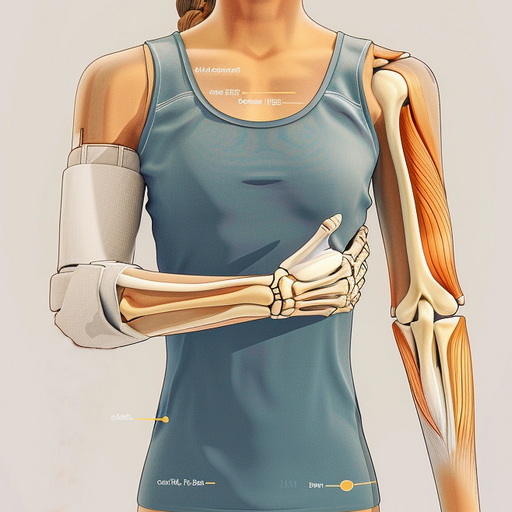
| Injury Type | Frequency Level | Typical Cause | Severity |
|---|---|---|---|
| Sprains/Strains | High | Quick direction changes | Mild–Moderate |
| Contusions | High | Stick or ball impact | Mild |
| Concussions | Moderate | Head contact or collisions | Moderate–Severe |
| Fractures | Low | Falls or high-impact contact | Severe |
| Overuse Injuries | Moderate | Repetitive movement | Mild–Moderate |
These injury patterns help identify priorities for strength and agility training for women’s Lacrosse, particularly around ankle and knee stability.
How Physical Is Women’s Lacrosse Gameplay and Safety Rules Explained
Women’s Lacrosse is less physical than men’s Lacrosse, but still intense and fast-paced.
Safety Rules in Women’s Lacrosse Explained
Several women’s Lacrosse rules are designed to reduce risk:
- No body checking
- Strict stick-checking regulations
- Mandatory “sphere” rule (protects head space)
- Penalties for dangerous follow-throughs
These rules are enforced across U.S. leagues, from youth programs to NCAA tournaments.
What Safety Rules Reduce Contact in Women’s Lacrosse?
Key rules that reduce contact:
- Minimum distance on free shots
- No cross-checking
- Controlled defensive positioning
These regulations help maintain a safer environment.
Protective Gear Used in Women’s Lacrosse and Concussion Risks
One of the biggest debates revolves around protective gear used in women’s Lacrosse.
Do Women’s Lacrosse Players Need Helmets for Safety?-
Unlike men’s Lacrosse, helmets are not universally required. Instead, the protective equipment used includes a specific mix of required and optional items for women’s play.

- Goggles are mandatory
- Mouthguards are required
- Helmets are optional in many states
Some states like Florida have started adopting optional helmet rules, especially for youth players.
Concussion Risk in Women’s Lacrosse
The concussion risk in women’s Lacrosse is a growing concern. Research shows:
- Concussions account for significant injury percentages
- Often caused by stick or ball impact, not body contact
How to Prevent Concussions in Women’s Lacrosse
To address this concern:
- Teach proper stick control
- Enforce rules strictly
- Consider optional headgear
- Improve awareness and reaction time
Is Women’s Lacrosse Safer Than Men’s Lacrosse and Other Sports?
Women’s vs. Men’s Lacrosse
- Women’s Lacrosse: Less contact, fewer collisions
- Men’s Lacrosse: Full contact, more protective gear
Despite more gear in men’s Lacrosse, injury rates can actually be higher due to physicality.
How Does Women’s Lacrosse Compare to Soccer or Field Hockey in Injuries?
- Similar injury rates to soccer
- Slightly higher concussion risk than field hockey
- Lower overall injury severity than contact sports
Is Women’s Lacrosse Safe for High School Athletes?
- Yes, with proper coaching and rule enforcement
- Risk level is manageable and comparable to other school sports
FAQ: Women’s Lacrosse Safety, Injury Risks, and Prevention
Is women’s Lacrosse a dangerous sport for beginners?
No, women’s Lacrosse is not inherently dangerous for beginners. With proper coaching and adherence to rules, beginners can safely learn the sport.
What injuries are most common in women’s Lacrosse players?
The most common include sprains, bruises, and concussions, typically caused by fast movement or accidental contact.
How to prevent injuries in women’s Lacrosse?
Follow injury prevention tips for women’s Lacrosse players such as: strength training, proper warm-ups, wearing correct gear and learning safe techniques.
Do women’s Lacrosse players need helmets for safety?
Helmets are not always required, but their use is increasing, especially in youth leagues.
What are important tips for parents to keep kids safe in women’s Lacrosse?
Parents can help keep children safe in women’s Lacrosse by choosing well-trained coaches, ensuring proper protective equipment is used, encouraging awareness of the rules, and monitoring for any signs of concussion or injury.
Takeaway: Is Women’s Lacrosse Safe or Dangerous?
Women’s Lacrosse strikes a balance between safety and competitive intensity.
While injuries like sprains and concussions can occur, strict rules, evolving protective gear, and better coaching significantly reduce risks.
Compared to many U.S. sports, it remains a relatively safe option for athletes at all levels, from beginners to elite players.
Preparation starts with avoiding common Lacrosse training mistakes, while awareness helps players respond to the action around them. With the right approach, players can enjoy the speed, skill, and excitement of Lacrosse while staying protected.
Step onto the field with confidence, because smart play is safe play, and the game is yours to win.
Ready to unlock your full potential ?